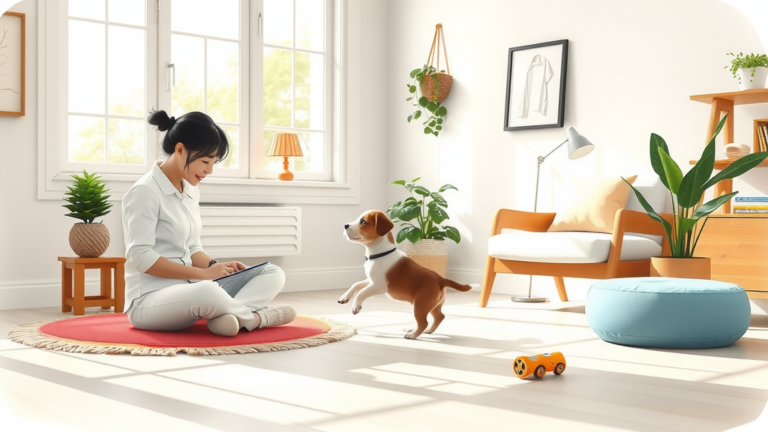
Puppy Socialization Exercises Build Confidence

Puppy socialization exercises play a key role in helping your puppy grow. These activities teach puppies to adapt to new environments, sounds, and sights.
Early dog development benefits from effective exposure techniques.
Positive experiences create a solid foundation for future behavior.
Structured play sessions with well-mannered adult dogs or other puppies teach social skills. This gentle exposure reduces anxiety and builds trust.
Make these activities a fun part of your puppy’s routine to support their growth and well-being.
Engagement in socialization exercises can prevent future behavioral issues.
Understanding Canine Socialization Benefits
Canine socialization boosts healthy puppy growth. It exposes puppies to diverse environments, promoting positive interactions.
Training classes introduce basic obedience commands while reinforcing good behavior.
Studies suggest that well-socialized puppies express fewer signs of fear and anxiety as adults.
For example, puppy classes provide a controlled environment for safe interactions.
Importance of Early Socialization
Early puppy development is critical for success. Socialization should begin during the critical window from 3 to 14 weeks.
Puppies need to encounter different people and experiences. Gradual exposure to various ages and appearances builds comfort.
Positive Reinforcement Techniques
Positive reinforcement improves interaction variety.
Use treats and toys to create positive associations with new experiences.
Incorporating basic commands in social settings reinforces training.
Observing body language allows you to recognize stress signals.
Fun Socialization Activities
Engaging in puppy playdates is a great way to enhance social skills. These supervised interactions build confidence and teach calm behavior.
Attending socialization classes guided by trainers provides additional support. Regular reviews of puppy interactions are essential for ongoing socialization.
Regularly revisit socialization practices to reinforce skills.
Monitoring Progress
Documenting progress helps track successful interactions.
Each puppy is unique; tailor activities to suit their temperament.
Incorporate controlled environments and short exposure sessions for best results.
Positive experiences during socialization reduce the likelihood of fear-related behaviors in adult dogs.
Making socialization a fun, ongoing part of your puppy’s life ensures a well-adjusted adult dog. Incorporate diverse experiences like car rides and visits to pet-friendly stores to enrich their journey.

How To Encourage Positive Experiences
Creating positive associations is key for young puppies. Puppy socialization exercises help puppies adapt to new environments and develop good behaviors.
Start with treats and toys to build trust during training sessions.
Gradual exposure techniques introduce various sights and sounds safely.
For instance, introduce a new environment while offering a favorite toy. This links the experience to something enjoyable.
Monitor their body language closely for signs of stress or fear. Short, enjoyable sessions foster ongoing socialization.
This makes it easier for puppies to trust you and engage positively in future activities.
Engaging Exercises For Puppy Development
Engaging exercises stimulate both the mind and body of a puppy.
One fun exercise is called the Obstacle Course. Set up a small course with pillows, boxes, and tunnels.
Encourage your puppy to navigate the course while using treats for motivation. This promotes physical activity and mental engagement.
Make sure to change the layout regularly to maintain interest. Experts recommend at least 5 minutes of exercise for each month of age, twice daily.
This structured play supports early dog development and helps establish a routine.
Importance of Playdates
Playdates with well-mannered adult dogs provide positive interactions.
Positive experiences during playdates help with canine socialization.
These experiences prevent behavioral issues in adult dogs. Ensure that interactions are supervised and matched to your puppy’s temperament.
Using Training Classes
Puppy socialization classes offer guided interactions.
Here, puppies learn to interact with diverse people and other dogs. This enhances their social skills and builds confidence.
Incorporate basic command practice in social settings to reinforce training.
This approach encourages obedience commands and positive reinforcement training.
Socialization is essential for preventing fear-related behaviors in adult dogs.
Document progress in socialization practices. Note successful interactions and areas needing improvement.
Keep experiences short and positive to avoid overwhelming your puppy. Tailor exercises to fit their specific temperament and comfort levels.
Make socialization a fun, ongoing part of your puppy’s life.
Puppy Socialization
- Positive experiences during puppyhood can significantly reduce fear-related behaviors in adult dogs.
- Engaging exercises, like obstacle courses, enhance both physical and mental development in puppies.
- Structured play, such as playdates with well-mannered dogs, fosters essential social skills and prevents future behavioral issues.
- Puppy socialization classes provide valuable opportunities for learning and building confidence through guided interactions.
Recognizing Stress Signals In Puppies
Puppies show stress through their body language and behavior. Recognizing stress signals is important to support their well-being.
Common indicators of stress include:
- Whining
- Trembling
- Hiding
Recognizing these signals can help prevent behavioral issues as they grow. To create a calm environment, consider these tips:
Creating a Calm Environment
– Set up a cozy space with soft bedding.
– Use calming music or a white noise machine to reduce anxiety.
– Monitor your puppy’s body language closely.
By providing a secure area, you promote positive experiences. Gentle exposure and mindful training can enhance your bond. Incorporating puppy socialization exercises is essential for developing good behaviors. Allow puppies to interact positively with other dogs and people.
Benefits of Early Puppy Socialization
– Introduce puppies to different environments, sounds, and sights.
– Encourage positive interactions with other dogs and animals.
– Use treats and toys to create positive associations.
– Gradually expose puppies to different people of various ages and appearances.
Start socialization early during the critical development window (3 to 14 weeks). This helps with ongoing socialization and behavior assessment.
Remember to monitor body language to recognize signs of stress or fear. Keep experiences short and positive to avoid overwhelming the puppy. Incorporate both structured activities and free play into your plan, such as:
- Organizing playdates with well-mannered adult dogs
- Attending puppy socialization classes
Always observe and reward puppies for calm behavior in new situations. Document progress to note successful interactions and areas for improvement. Each puppy is unique, so tailor your exercises to fit their temperament and comfort levels.
Puppy Stress and Socialization
- Puppies that are socialized early are less likely to develop behavioral problems later in life.
- Studies show that positive interactions with other dogs and people can significantly reduce stress levels in puppies.
- Providing a calm environment can lower anxiety and promote a sense of security in puppies.
- Monitoring body language helps owners identify stress signals early, allowing for timely interventions.