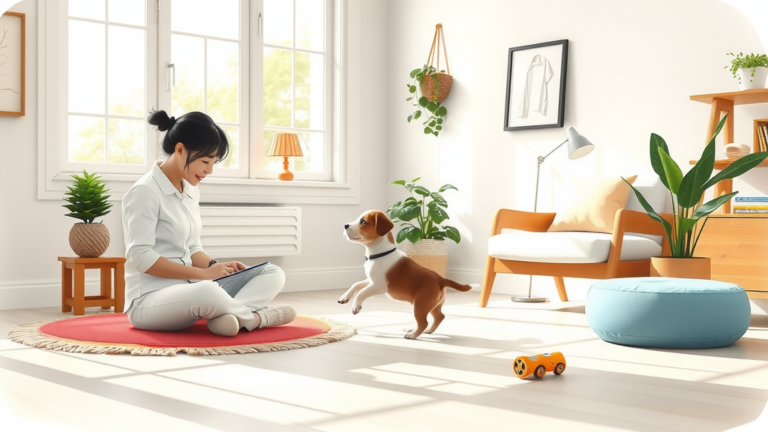
Positive Reinforcement Puppy Training Builds Trust

Positive reinforcement puppy training uses rewards to encourage good behavior. This method fosters trust between puppies and their owners.
By utilizing treat rewards and praise, training becomes effective and fun.
Puppies thrive in a positive training environment, which enhances their ability to learn basic commands and socialize.
Building confidence is key, as it supports dog obedience and promotes a nurturing atmosphere. Consistent rewards lead to achieved training milestones and improved puppy behavior.
With patience in training, owners can expect positive outcomes through encouraging interactions.
Understanding Canine Behavior For Training
Recognizing canine behavior enhances training success. Puppies send clear signals through body language and vocalizations.
Observing these cues helps owners adjust their training methods.
Signs of stress or excitement, for instance, can provide valuable insights.
Here are practical tips for observing behavior patterns:.
- Monitor your puppy during playtime for signs of engagement.
- Note changes in body language when practicing commands.
- Adjust rewards based on your puppy’s behavior and reactions.
Incorporating insights from puppy instincts improves communication. Consistency in recognizing these behavior cues builds a rewarding relationship, ensuring effective communication. Training should be a fun experience for both the puppy and its owner, making learning engaging and valuable.
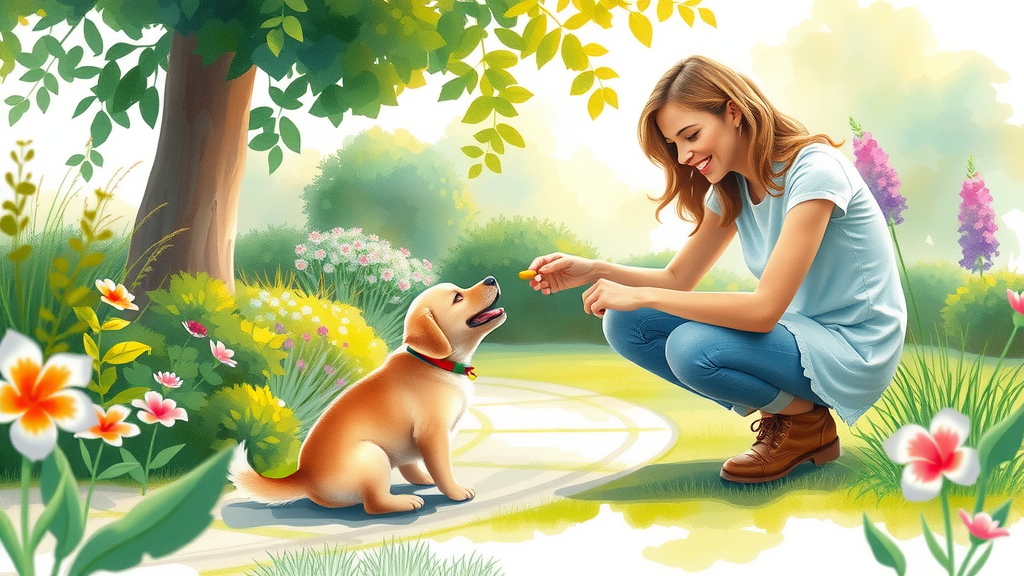
What Are Effective Reinforcement Techniques
Effective reinforcement techniques greatly improve puppy training. These methods boost motivation and learning, shaping canine behavior positively.
Various types of reinforcement exist:.
- Treats
- Praise
- Playtime
Research shows immediate rewards lead to faster understanding. For example, rewarding puppies right after they perform a command creates strong links. Consistency in reinforcement matters; it sets clear expectations. Use treats for basic commands like sit and stay to ensure effective learning. Applying these techniques consistently leads to notable improvements in puppy behavior.
Building Trust With Positive Interactions
Building trust with your puppy relies on positive interactions. Establishing trust needs patience during training sessions and an awareness of puppy behavior. Engage in training games, such as fetch, to promote bonding through play rewards.
Activities That Foster Positive Interactions
- Use simple commands to make learning enjoyable.
- Incorporate body language; friendly gestures help connect.
- Recognize your puppy’s non-verbal cues for better communication.
Prioritizing these interactions nurtures a positive training environment.
Such an environment encourages growth and strengthens your bond with your puppy. Keep training fun and engaging to boost confidence building and behavioral encouragement.
Puppy Training Techniques
- Immediate rewards enhance learning speed and retention in puppies.
- Consistent reinforcement establishes clear expectations for desired behaviors.
- Positive interactions during training sessions build trust and strengthen the owner-pet bond.
- Engaging activities like fetch promote bonding and make learning enjoyable for puppies.
How To Implement Reward-Based Training
Start by identifying the specific canine behavior you want to encourage. Establish a clear reward system that fits your dog’s needs and preferences.
Many breeds respond well to motivational treats, while others prefer play rewards such as fetch or tug-of-war.
These activities help in behavior shaping.
Introduce these techniques gradually.
Offer rewards immediately after your puppy demonstrates the desired behavior. This method strengthens learning and builds trust.
Training consistency is essential; always use the same rewards for specific actions. This consistency fosters a positive training environment.
It enhances your bond during each training session.
Types of Rewards
Different breeds may have unique preferences for rewards.
Here are some effective options:.
- Treat rewards: Small, tasty treats can motivate many puppies.
- Praise rewards: Verbal praise and affection can boost confidence.
- Play rewards: Engaging games promote excitement and learning.
Observe your puppy’s reactions to find what works best. This attention helps in developing effective training methods.
Gradual Introduction of Techniques
Integrate positive reinforcement into your daily routine. Start with short training sessions as they are more effective than lengthy ones. Use training games to make learning fun and interactive. For example, practice basic commands during playtime.
Monitor your puppy’s progress and adjust your approach as needed. Avoid any negative reactions or punishments, as these can lead to fear and hinder learning. Aim for a nurturing environment that encourages exploration. Remember, training should be an enjoyable experience for both you and your puppy.
| Type of Reward | Description |
|---|---|
| Treat Rewards | Small, tasty treats motivate many puppies effectively. |
| Praise Rewards | Verbal praise and affection boost a puppy’s confidence. |
| Play Rewards | Engaging games promote excitement and enhance learning. |