
How To Train A Puppy At Home Easily
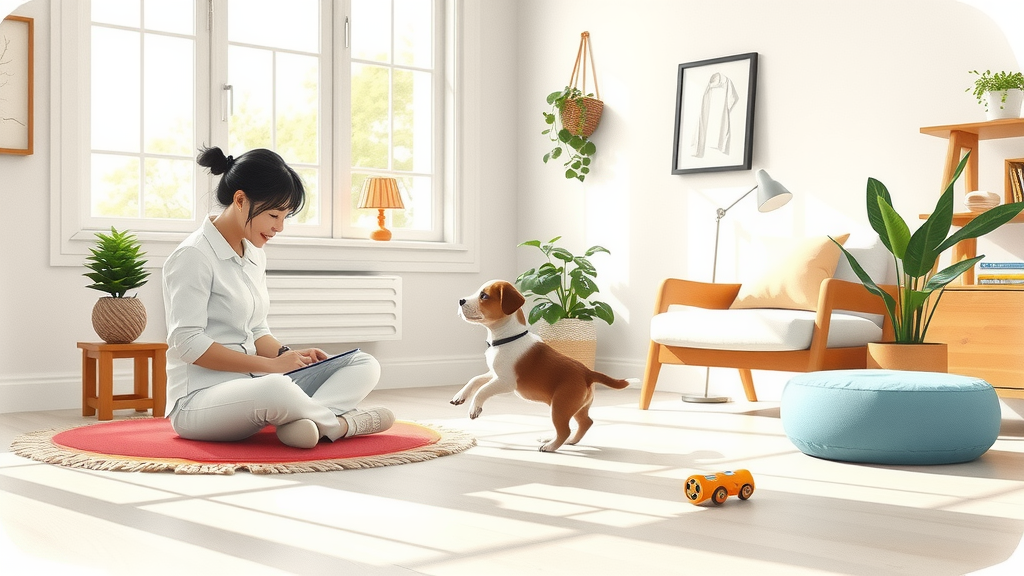
Training a puppy at home builds good behavior. This process strengthens your bond with your pet. Start early, ideally when your puppy is 8 to 12 weeks old.
Use positive reinforcement techniques, such as treats, praise, and playtime, to encourage learning.
Establish a consistent training routine for command understanding.
Keep sessions short, around 5 to 10 minutes, to help your puppy maintain focus. Below are important tips for effective training at home.
Puppy Training Basics
Early socialization impacts puppy behavior. Expose your puppy to various people and environments to reduce fear.
A consistent training routine fosters good behavior. Use clear commands like sit and stay during training.
Building a strong bond through training increases trust and obedience.
Integrate commands into daily activities, such as asking your puppy to sit before meals.
This makes training feel natural and enjoyable.
Key Tips for Training
- Start training as soon as your puppy is 8-12 weeks old.
- Use positive reinforcement techniques to reward desired behaviors.
- Set a regular routine for training to promote consistency.
- Keep sessions short to maintain your puppy’s attention.
- Socialize your puppy with diverse environments.
- Gradually introduce distractions during training.
- Be patient; each puppy learns at a different pace.
Regular exercise helps manage puppy energy. Without it, dogs can show unwanted behaviors.
Use simple commands for clarity. Commands like come and down help in training obedience skills. Focus on positive interactions. Avoid negative reinforcement to promote good behavior. Remember that bonding during training enhances emotional support and confidence building. Make time for structured play and bonding exercises to keep your puppy engaged.
Continued learning is important. Gradual exposure to new environments boosts your puppy’s confidence. Utilize training tools like clickers or interactive toys to motivate your pet.
How Does Positive Reinforcement Work
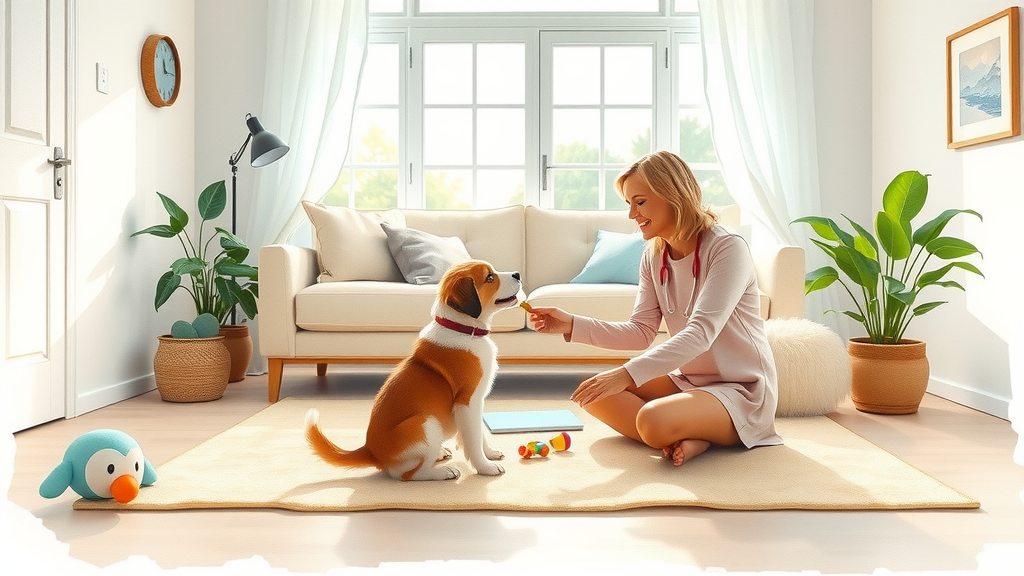
Positive reinforcement is a powerful method for puppy training. This technique relies on rewarding good behavior, which encourages repetition.
Dogs respond more effectively to rewards than to punishments.
Rewards can include treats, praise, or playtime, reinforcing desired behaviors.
For effective training, use small treats that your puppy loves. Praise your puppy in a happy tone while petting them.
Timing is important; you should reward immediately after the desired behavior occurs. Immediate reinforcement helps puppies connect their actions with the reward, ensuring effective learning and understanding.
Effective Training Techniques For Home
Using effective training techniques is vital for puppy development.
Start by using clear, basic commands like sit and stay. Regular practice helps establish a consistent training routine.
Managing Distractions
Be aware of common distractions at home, such as noises and other pets.
Gradually increase distractions during training to improve your puppy’s focus.
Creating a designated training space minimizes interruptions, allowing better concentration.
Practical Exercises
For a practical exercise, practice the sit command using treats in this space. Gradually introduce distractions to enhance their learning and reinforce good behavior.
Here are some key points for effective training:.
- Start training early, ideally when the puppy is between 8-12 weeks old.
- Use positive reinforcement techniques such as treats, praise, and playtime.
- Set a regular routine for training sessions to establish consistency.
- Keep training sessions short (5-10 minutes) to maintain the puppy’s focus.
- Socialize your puppy with different people and environments to reduce fear and anxiety.
- Be patient and consistent, as each puppy learns at their own pace.
Effective training is essential for good behavior management. Avoid negative reinforcement; focus on rewarding desired behaviors. Regular exercise is essential for energy management and reducing unwanted behaviors.
Puppy Training
- Studies show that positive reinforcement can lead to a 75% increase in desired behaviors in dogs.
- Puppies trained with rewards are more likely to learn commands quickly compared to those trained with punishment.
- Training sessions of 5-10 minutes are ideal for maintaining a puppy’s focus and engagement.
- Socialization during the critical period (8-16 weeks) significantly reduces anxiety and fear in adult dogs.
What Are Key Commands For Puppies
Key commands are essential for effective puppy training. Basic commands like sit, stay, and come enhance safety and communication between you and your puppy.
Training these commands indoors helps reduce distractions, making it easier for your puppy to focus.
Outdoors present more challenges, so practicing in different environments is crucial.
The Importance of Early Training
Start puppy training early, ideally when the puppy is between 8-12 weeks old.
A strong focus on positive reinforcement helps keep the training fun. Use treats, praise, and playtime to engage your puppy.
Establishing a regular training routine aids in developing obedience skills that promote good behavior.
Making Training Engaging
Keep training sessions short, around 5-10 minutes, to maintain your puppy’s attention. Use clear commands like down along with basic commands.
Socialize your puppy with different people and environments to help reduce fear and anxiety.
Gradually increase distractions during training to improve focus and obedience.
Long-Term Benefits
Mastering key commands fosters a strong bond between you and your puppy.
This foundation in obedience training supports effective behavior management throughout your puppy’s life. Patience and consistency are important as each puppy learns at their own pace.
Avoid negative reinforcement; focus on rewarding desired behaviors.
Regular exercise is also essential for managing energy and reducing unwanted behaviors. Engage in structured play and introduce interactive toys for mental stimulation.
| Training Aspect | Recommendation |
|---|---|
| Age to Start Training | 8-12 weeks |
| Duration of Training Sessions | 5-10 minutes |
| Focus of Training | Positive reinforcement |
| Key Commands to Teach | sit, stay, come, down |