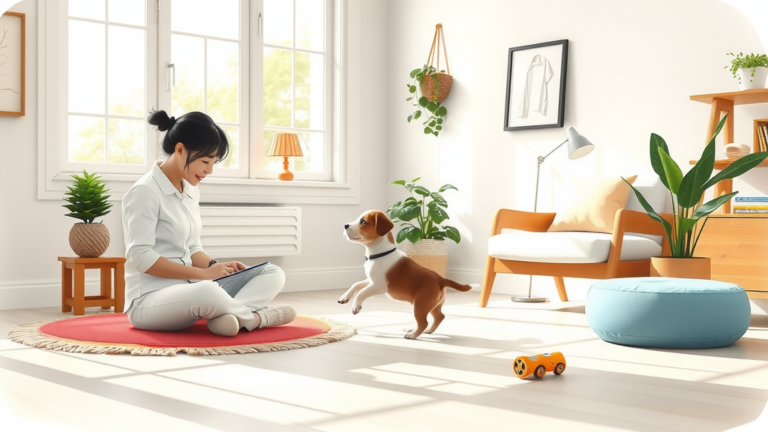
Best Puppy Training Techniques Work Wonders

Effective puppy training techniques are essential for good dog behavior. Training builds a strong bond between you and your puppy.
Consistent training promotes desirable behaviors and prevents issues.
Early training sets the stage for a confident puppy.
Using positive reinforcement makes learning enjoyable. Keep training sessions brief and fun to maintain your puppy’s interest.
Establish clear commands and rules so your puppy understands expectations. Regular exercise helps manage energy levels and enhances focus during training sessions.
The right techniques can lead to a happy, well-adjusted pet.
Positive Reinforcement Techniques
Positive reinforcement is a key method in puppy training.
This approach rewards good behavior to encourage repetition.
Treats, praise, and playtime are effective rewards. Research shows puppies trained with positive reinforcement retain skills better.
Here are some effective reinforcement strategies:.
- Use high-value treats for commands like sit and stay.
- Praise and affection reinforce good behavior.
- Use a clicker to mark desired behaviors, followed by a reward.
Positive reinforcement can complement other training methods such as clicker training. By combining positive reinforcement with clear commands, you create a supportive training environment, leading to a well-behaved dog.
Importance of Consistency
Consistency is crucial in puppy training. Establish clear rules and commands that are consistently applied. This helps your puppy learn faster. Simple actions can make a big difference.
Socialization and Exercise
Socialization is essential for your puppy’s development. Expose your puppy to various environments, people, and animals. This enhances adaptability. Regular exercise channels your puppy’s energy positively, leading to better focus during training sessions.
Short Training Sessions
Keep training sessions brief, about 5-10 minutes. This maintains your puppy’s focus and enthusiasm. Short sessions make it easier to repeat lessons without overwhelming your pet.
Redirecting Bad Behavior
Redirect bad behavior by distracting your puppy from undesirable actions. Guide them toward acceptable behaviors instead. This teaches your puppy the right choices.
Patience and Progress
Patience is important in behavioral training. Training takes time and repetition. Regular check-ins can reinforce training progress. Monitor your puppy’s body language to gauge comfort during sessions.
With the right techniques, you can nurture a confident puppy with good behavior.

How To Effectively Use Clicker Training
Clicker training is an effective method for teaching your dog. First, select a clicker from a pet store to start your training sessions.
Next, pair the clicker with treats by clicking it just before offering a treat.
This process helps your dog connect the sound with a reward.
Consistency in timing is important; click immediately when your dog shows the desired behavior. Avoid common mistakes, such as clicking without giving a treat.
Clicker training focuses on positive reinforcement to help build good behavior in your pet.
Key Tips for Clicker Training
- Use high-value treats to motivate your dog during training sessions.
- Keep sessions short, ideally 5-10 minutes, to maintain interest.
- Practice regularly to reinforce learned behaviors.
- Be patient as dogs may take time to learn commands.
- Monitor your dog’s body language to ensure comfort during training.
Essential Dog Commands For Puppy Training
Teaching key commands early supports your puppy’s development. Start with basic commands like sit, which is essential for control. The stay command helps keep your dog safe in various situations. Using commands strengthens the bond with your puppy and fosters trust. To practice, incorporate commands during playtime or daily routines, such as waiting before meals. Keep sessions engaging and brief to hold your puppy’s attention.
Fun Ways to Practice Commands
Implementing commands during everyday activities enhances learning.
- Practice during walks by asking your puppy to sit or stay.
- Use mealtime to reinforce commands, like waiting before eating.
- Play interactive games that include commands like come and down.
Positive reinforcement is key to enhancing learning and boosting your puppy’s confidence. By establishing a routine and using fun training techniques, you help your puppy thrive.
Clicker Training
- Studies show that positive reinforcement methods, like clicker training, lead to better long-term behavior in dogs.
- Short training sessions (5-10 minutes) are proven to be more effective for maintaining a dog’s focus and engagement.
- Using high-value treats can significantly increase a dog’s motivation to learn and respond to commands.
- Regular practice helps reinforce learned behaviors, making them more reliable over time.
Tips For Successful Socialization Sessions
Starting your puppy’s socialization early is important for their long-term happiness. Socialization helps prevent behavioral issues later.
When introducing your puppy to new environments, always use positive reinforcement techniques.
Gradually expose your puppy to different people, sounds, and places.
Begin in quiet locations to build confidence before moving to busier areas.
- Reward calm behavior with treats during these sessions.
- Monitor your puppy’s body language to ensure they are comfortable.
- Celebrate small milestones to encourage ongoing learning.
Reading your puppy’s body language helps you understand their feelings. Signs of stress, like tucked tails or cowering, signal it’s time to slow down. Focus on creating positive experiences, which are key to your puppy’s growth. Patience and consistency are essential for successful socialization.
Effective Training Techniques for Puppies
Using the right training techniques is vital for good behavior and strong bonding with your puppy. Positive reinforcement involves rewarding desired behaviors with treats, praise, or playtime. Clicker training marks good behaviors with a click, followed by a reward. Consistency in rules and commands is essential for effective behavior training.
- Short training sessions should last 5-10 minutes to keep your puppy focused.
- Leash training teaches your puppy to walk politely and prevents pulling.
- Basic commands like sit, stay, come, and down are important to start with.
- Redirecting bad behavior involves distracting your puppy from undesirable actions.
- Regular exercise is necessary to channel excess energy positively.
Establishing a routine improves learning and understanding. Monitor your puppy’s body language to gauge their anxiety or comfort during training. Keep sessions light-hearted and fun to foster a positive learning environment. These techniques will help develop a confident puppy with good social skills.
Puppy Socialization and Training
- Early socialization can reduce the likelihood of anxiety and fear-based behaviors in adult dogs.
- Puppies that receive positive reinforcement are more likely to repeat desired behaviors.
- Short, frequent training sessions are proven to enhance retention and focus in young dogs.
- Regular exposure to new experiences can lead to improved adaptability and confidence in dogs.